CAIR-NJ Condemns Formal Ethics Complaint Against NJ Municipal Judge Over Religious and Cultural Attire at Judicial Conference
The entire FightBackBetter editorial and reporting staff wholeheartedly and completely agree with the expression of concern of CAIR-NJ on this matter. Now we have pro-Israrel dress code police causing harm to upstanding judicial branch representatives. Israel and the United States has the entire world at the bring of nuclear war – has taken action that very well could end its own existence and has bery much diminished its ability to defend itself – so we do not need the pro-Israel crowd to be sweating us – judicial or just normal people on the street because of our hats and our keffiyehs – or how we mourn the victims of US – Israel genocide including Renee Good and Alex Pretti on our own streets! END THE GENOCIDE FROM GAZA TO TEHRAN TO MINNEAPOLIS TO OUR OWN NJ STREETS!
CAIR-NJ Condemns Formal Ethics Complaint Against NJ Municipal Judge Over Religious and Cultural Attire at Judicial Conference
(NEWARK, NJ – 3/10/2026) — The New Jersey chapter of the Council on American-Islamic Relations (CAIR-NJ), the nation’s largest Muslim civil rights and advocacy organization, today condemned the formal ethics complaint filed by the Advisory Committee on Judicial Conduct (ACJC) against Judge Steven Brister, a part-time municipal court judge in East Orange who also serves as an acting judge in Newark and Orange.
The complaint, filed on March 4, 2026, alleges that Judge Brister violated the judiciary’s political speech and conduct rules by wearing a keffiyeh and a hat bearing the word “Palestine” at a judicial conference in June 2025.
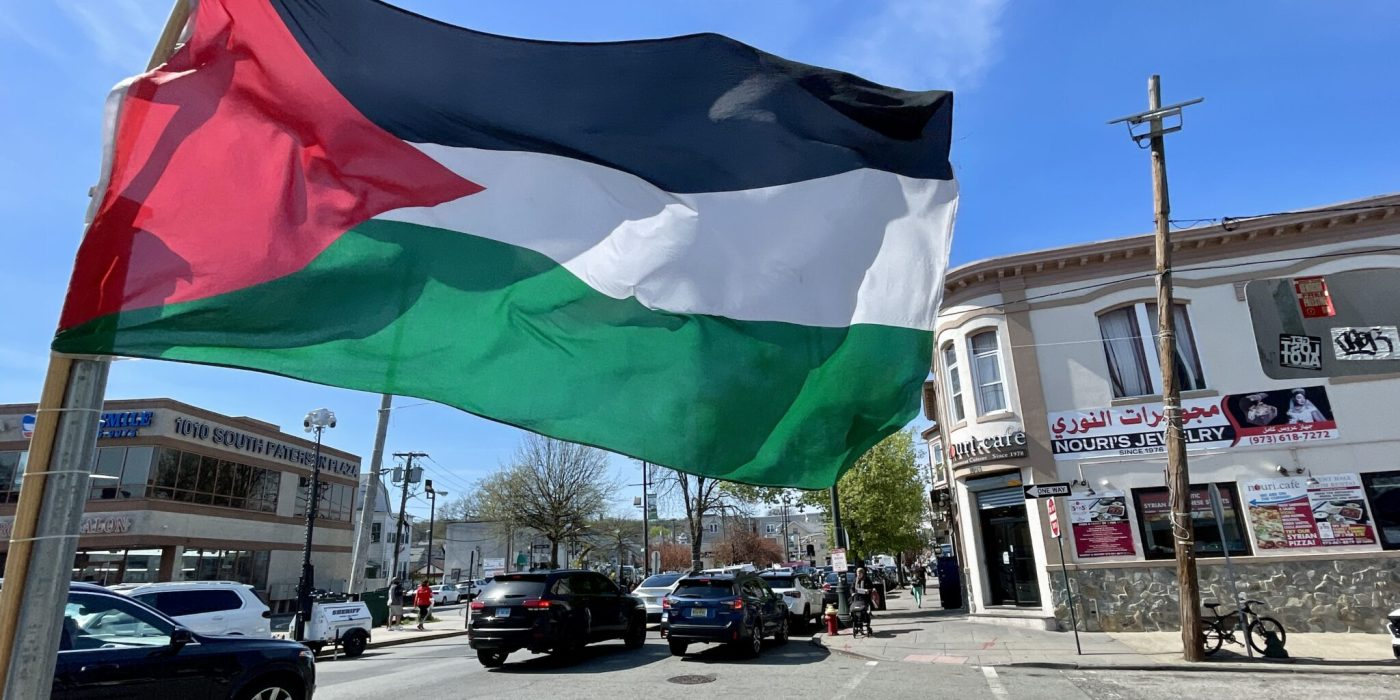
According to the ACJC complaint, Judge Brister attended the annual Municipal Division Conference on June 9, 2025, wearing a black baseball cap featuring the Palestinian flag and the word “Palestine,” along with a black and white checkered keffiyeh draped around his neck and shoulders. The complaint states that after some attendees expressed offense, the presiding judge asked Brister to remove the hat. Judge Brister declined, stating he would remove the cap only if all attendees were asked to remove their headgear. Under oath before the ACJC in October 2025, Judge Brister testified that he did not view the attire as a political statement and that he wore the keffiyeh for religious and spiritual reasons.
CAIR-NJ had previously submitted a letter to the ACJC in November 2025 urging the committee to refrain from pursuing formal charges, arguing that Judge Brister’s attire represented an act of religious and conscientious expression consistent with his Islamic faith rather than prohibited political activity. The letter detailed the religious significance of the keffiyeh and similar head coverings in Islamic tradition, noting that wearing such garments is rooted in the Sunnah—the example of the Prophet Muhammad (peace be upon him)—and is a recognized practice among Muslims of all backgrounds, including African American Muslims.
SEE: N.J. judge under legal fire for wearing ‘Palestine’ hat, Middle Eastern scarf at conference
SEE: Judge faces discipline for wearing hat with Palestine flag to conference
In a statement, CAIR-NJ Staff Attorney, Ramin Zareian, said:
“The decision to file a formal ethics complaint against Judge Brister for wearing a keffiyeh and a hat referencing Palestine is deeply troubling and sets a dangerous precedent for religious and cultural expression within the judiciary,”
“The keffiyeh is a garment with deep significance for Muslims worldwide. To characterize it as inherently political while similar expressions of faith—such as a yarmulke, a Sikh turban, or a cross lapel pin—are accepted without question reveals an alarming double standard. We stand firmly with Judge Brister and will continue to defend the right of Muslim Americans to express their faith without fear of professional retaliation.”
CAIR-NJ maintains that Canon 7 of the New Jersey Code of Judicial Conduct, which prohibits judges from engaging in political activity, was not designed to restrict expressions of religious faith, moral conscience, or humanitarian solidarity. The organization argues that “Palestine” is a geographic and spiritual term referring to a land sacred to Islam, Christianity, and Judaism, and that concern for Palestine among Muslims is foremost a religious and humanitarian matter, not a partisan political stance.
CAIR-NJ warns that treating Muslim religious and cultural symbols as inherently political while regarding analogous expressions from other faith traditions as devotional risks unequal treatment and erodes public confidence in an inclusive judiciary. The organization calls on the ACJC and the New Jersey Supreme Court to dismiss the complaint and to affirm that expressions of religious and cultural identity do not constitute violations of judicial ethics.
CAIR-NJ will continue to monitor this case and stands ready to provide support to Judge Brister. The organization encourages community members who have experienced discrimination based on religious expression to report incidents at cair-nj.org/report-an-incident.
CAIR’s mission is to protect civil rights, enhance understanding of Islam, promote justice, and empower American Muslims.
END
CONTACT: CAIR-NJ Executive Director Selaedin Maksut, smaksut@cair.com, 862-264-9414